| June 23, 2025 07:58:24 AM |
|
|
| June 23, 2025 07:58:24 AM |
|
|
The U.S. military strike on Iranian nuclear facilities was an unprecedented attack years in the making, with some last-minute misdirection meant to give the operation a powerful element of surprise. Officials have detailed how Operation Midnight Hammer relied on a series of deceptive tactics and decoys to maintain secrecy around the mission. Welcome to this week’s edition of AP Ground Game. |
Policy changes, but facts endure. AP delivers accurate, fact-based journalism to keep the world informed in every administration. Support independent reporting today. Donate. |
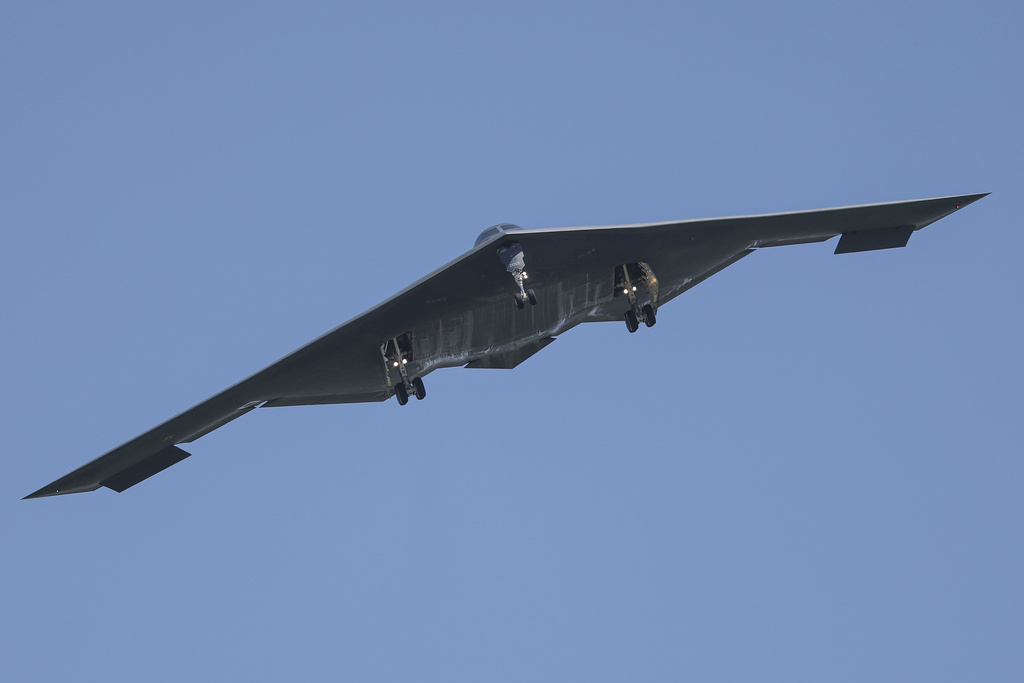
A B-2 bomber arrives at Whiteman Air Force Base Mo., Sunday, June 22, 2025. (AP Photo/David Smith) |
How the US bombarded Iranian nuclear sites without detection |
U.S. pilots dropped 30,000-pound “bunker buster” bombs over the weekend on two key underground uranium enrichment plants in Iran, where nine days of Israeli attacks that had already debilitated military leadership and air defenses. American sailors bolstered the surprise mission by firing dozens of Tomahawk cruise missiles from a submarine toward at least one other site. One group of B-2 stealth bombers traveled west from a U.S. Air Force base in Missouri on Saturday as decoys, drawing the attention of amateur plane spotters, government officials and some media as they headed toward a U.S. air base in the Pacific. At the same time, seven other B-2s carrying two “bunker buster” bombs apiece flew eastward, keeping communications to a minimum so as not to draw any attention.
A graphic released by the Pentagon showed the flight route as passing over Lebanon, Syria and Iraq. It was unclear whether those countries were notified of the U.S. overflight in advance. Most U.S. lawmakers were also kept in the dark, with some Republicans saying they were provided a brief heads-up by the White House before the strike. Read more.
|
|
|
Of note: Even before the B-2 bombers were in the air, elements of misdirection were already in play. After setting parts of the plan in motion, President Donald Trump publicly announced Thursday that he’d make a decision within two weeks on whether to strike Iran — ostensibly to allow additional time for negotiations, but in actuality masking the impending attack. |
|
|
GOP tax bill would ease regulations on gun silencers and some guns |
The massive tax and spending cuts package that Trump wants on his desk by July 4th would loosen regulations on gun silencers and certain types of rifles and shotguns, advancing a longtime priority of the gun industry as Republican leaders in the House and Senate try to win enough votes to pass the bill. The guns provision was first requested in the House by Georgia Rep. Andrew Clyde, a Republican gun store owner who had initially opposed the larger tax package. The House bill would remove silencers from a 1930s-era law that regulates firearms that are considered the most dangerous, eliminating a $200 tax while removing a layer of background checks. The Senate kept the silencers provision in its version of the bill and expanded upon it, adding sawed-off rifles and shotguns. Republicans who have long supported the changes, along with the gun industry, say the tax infringes on Second Amendment rights, arguing silencers are mostly used by hunters and target shooters for sport. Democrats are fighting to stop the provision, unveiled days after two Minnesota state legislators were shot in their homes, as the bill speeds through the Senate, arguing that loosening silencer regulations could make it easier for criminals and active shooters to conceal their weapons. Read more. |
|
|
Of note: Inclusion of the provision marks a sharp turn from the climate in Washington just three years ago when Democrats controlled Congress and the White House, pushing through bipartisan gun legislation that increased background checks for some buyers under age 21 and made it easier to take firearms from potentially dangerous people. |
|
|
Solar energy, offshore wind support falls among Democrats and independents |
Driven by a softening in support from Democrats and independents, Americans’ support for green energy tax credits and renewable energies like wind and solar power has decreased in recent years. A new poll from The Associated Press-NORC Center for Public Affairs Research finds that U.S. adults’ support for tax credits for electric vehicles and solar panels has weakened, as well as their enthusiasm for offshore wind farm expansion. While Democrats remain the strongest supporters of these initiatives, the poll reveals signs of growing cynicism within their ranks. The survey results coincide with the Trump administration’s sweeping changes to regulations related to energy and climate change, including slashing the federal workforce in these departments. And although Democrats and independents have weakened their support for some green energy initiatives, there has not been an increase in support for Trump's energy policies. Read more. |
|
|
Of note: The poll found only about 4 in 10 U.S. adults — including only 1 in 10 Democrats and about 2 in 10 independents, along with three-quarters of Republicans — approve of the way Trump is handling climate change, which largely tracks with his overall approval rating. |
|
|
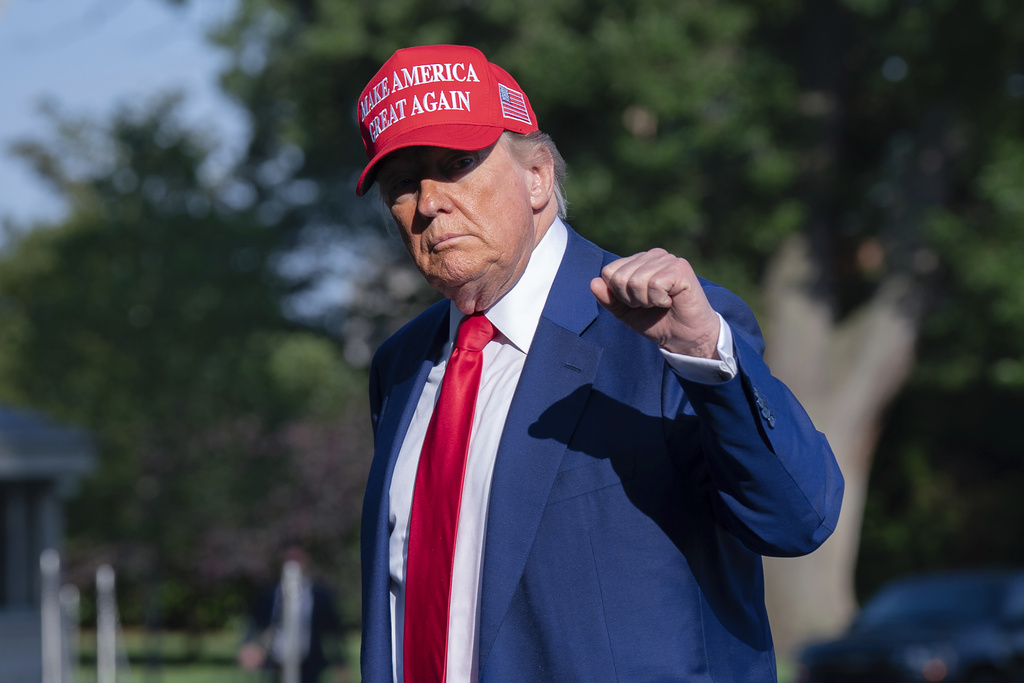
President Donald Trump walks on the South Lawn upon arriving at the White House, Saturday, June 21, 2025, in Washington. (AP Photo/Jose Luis Magana) |
- On Tuesday, Trump begins a two-day visit to The Hague for a NATO summit.
|
|
|
|